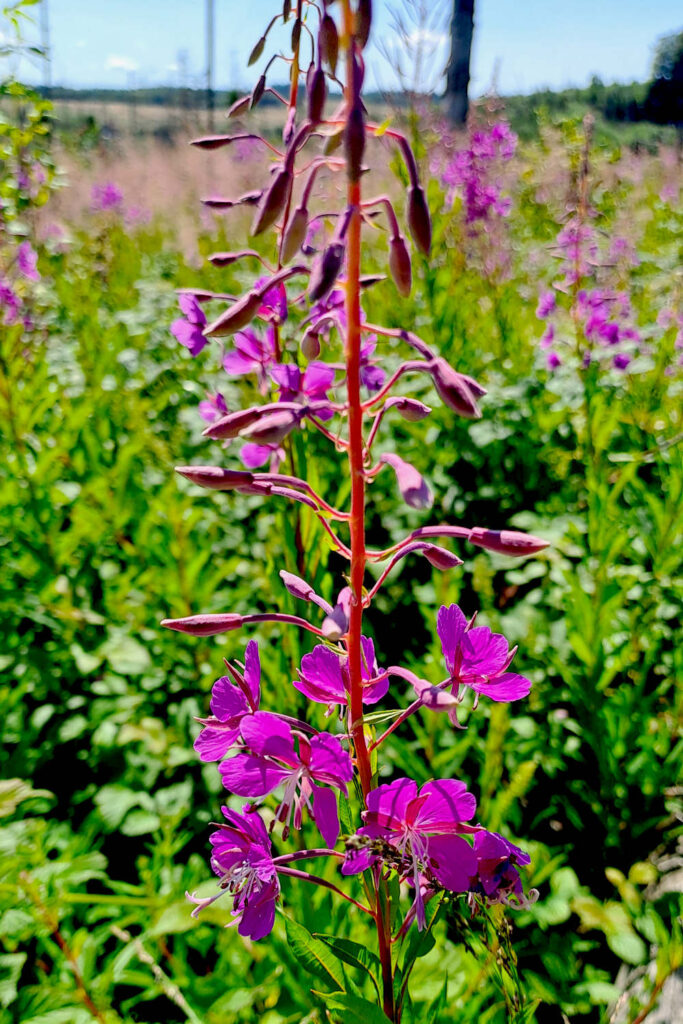
There are certain plants that do not merely occupy space in the wilderness; they weave themselves directly into the fabric of our lives. For me, Fireweed (Chamerion angustifolium / Schmalblättriges Weidenröschen) is one of those plants. Long before I began processing it into tea, this resilient, vibrant flower accompanied me on the waters of the Yukon in Canada. Today, it holds a permanent place as a central symbol in my mental sanctuary—a visual anchor of peace and resilience.
Turning this meaningful plant into Ivan Chai—the traditional, fermented tea of the North—is more than just food preservation. It is a slow, grounding ritual, a process of transformation that requires patience, sensory awareness, and respect for the old ways.
The Rich History of Ivan Chai
Before black tea from India and China dominated the European market, Ivan Chai was one of the most celebrated beverages across the northern hemisphere. Dating back to at least the 12th century, the art of fermenting fireweed leaves was perfected in Russia, particularly in the village of Koporye, giving it the alternative name Koporye Tea.
By the 18th and 19th centuries, Ivan Chai had grown into a massive export commodity. It was highly prized across Europe, particularly in Great Britain, for its deep, complex, fruity flavor profile and its complete lack of caffeine. It was a staple of self-reliance—a way for northern cultures to produce a rich, dark, comforting tea using exclusively what the local earth provided. The rise of industrial tea monopolies eventually pushed it into obscurity, but for those who value traditional bushcraft and foraging, Ivan Chai remains the undisputed king of wild teas.
The Traditional Transformation: Step-by-Step
Making true Ivan Chai is not about simply drying leaves; it is a multi-day fermentation process that alters the chemical structure of the plant, unlocking deep floral and honeyed notes. Here is the exact method I used for this batch:
Step 1: The Harvest & Wilting
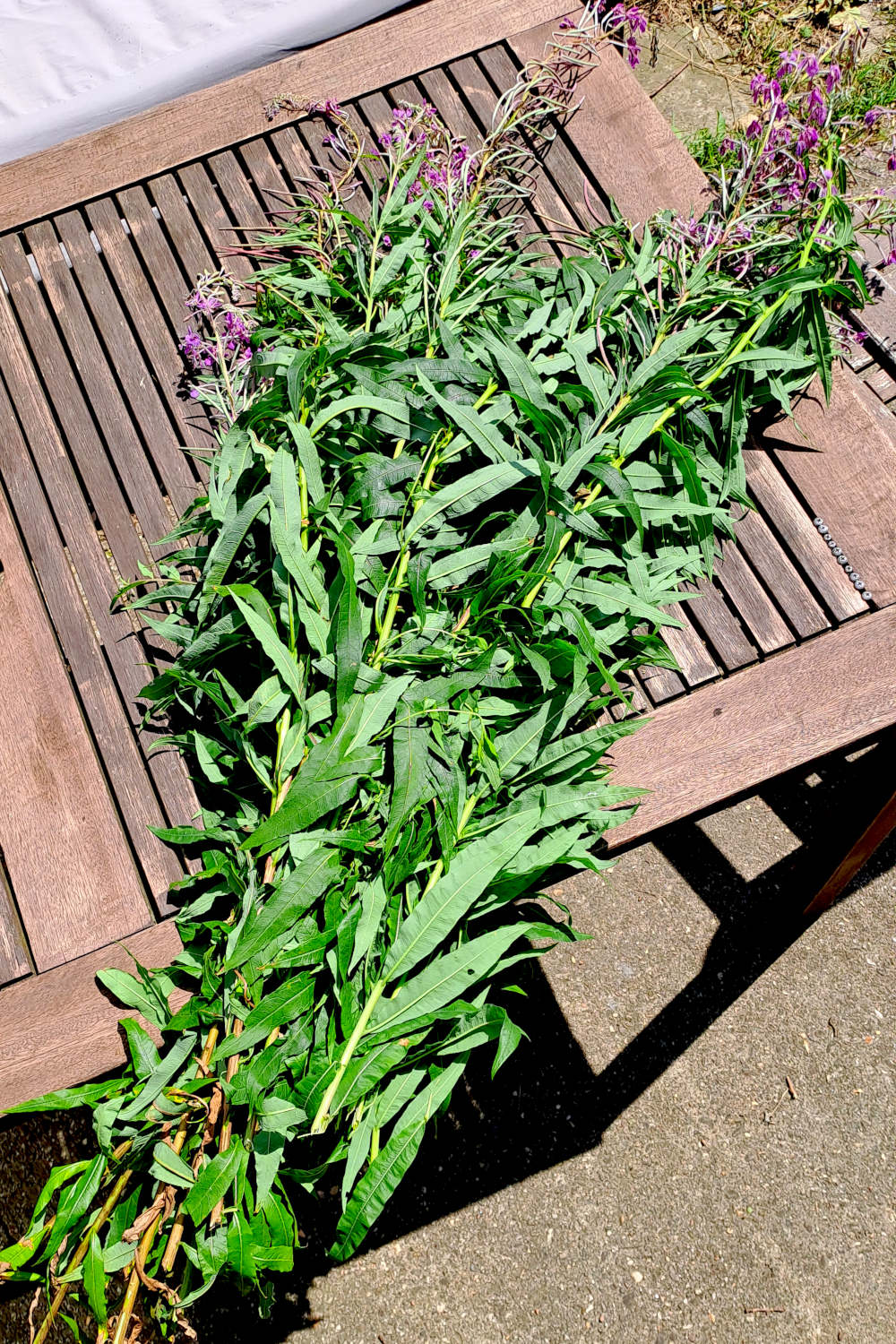
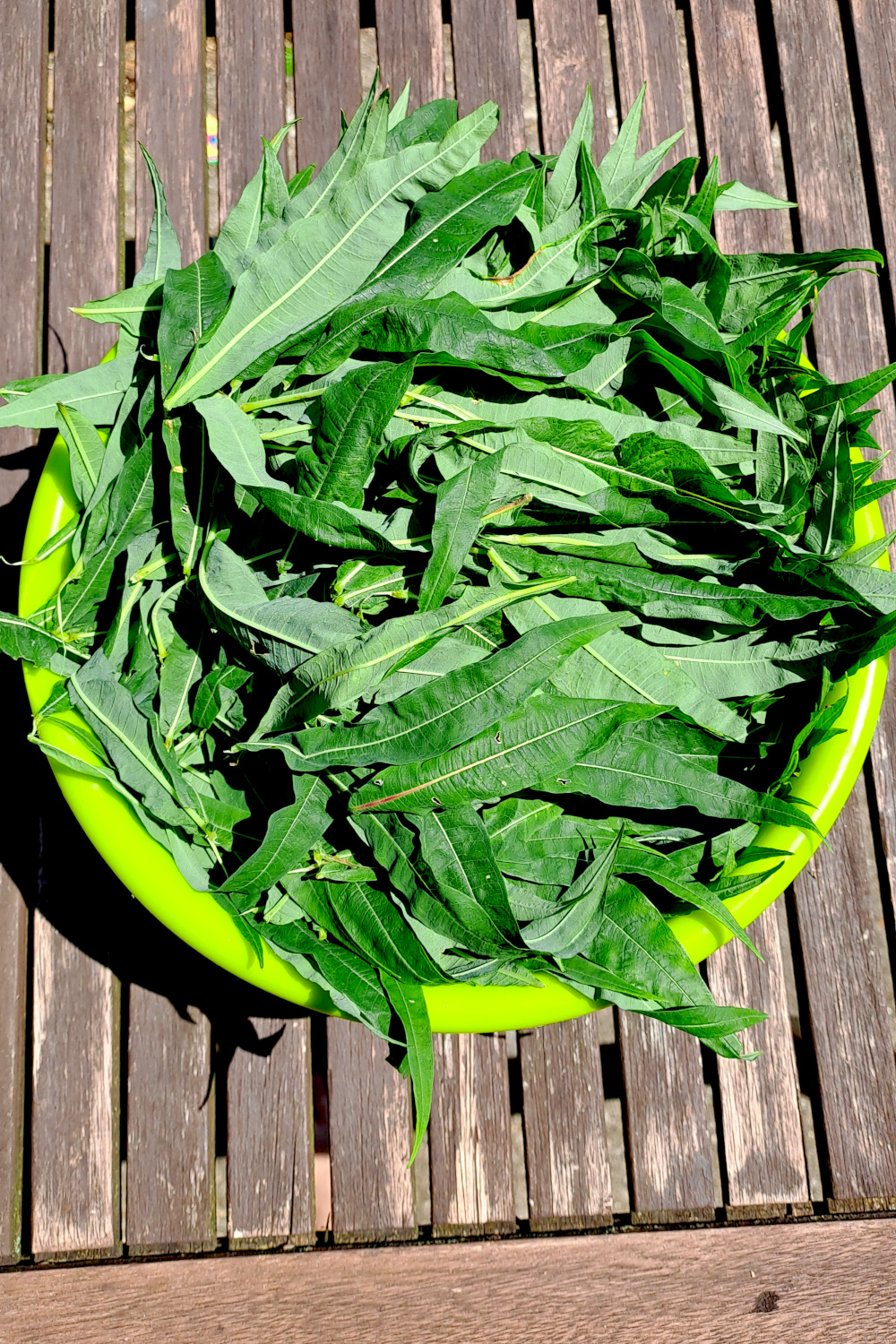
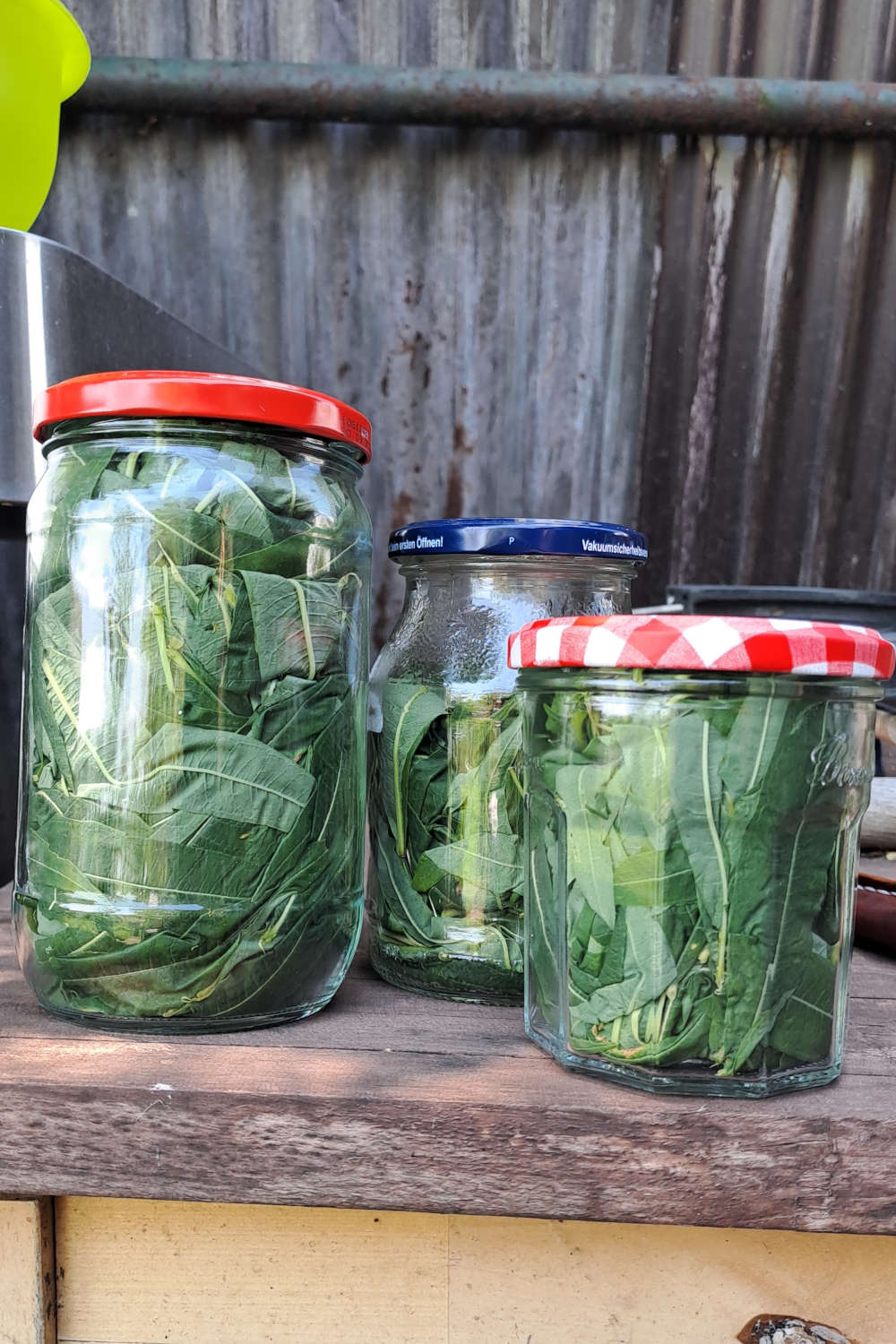
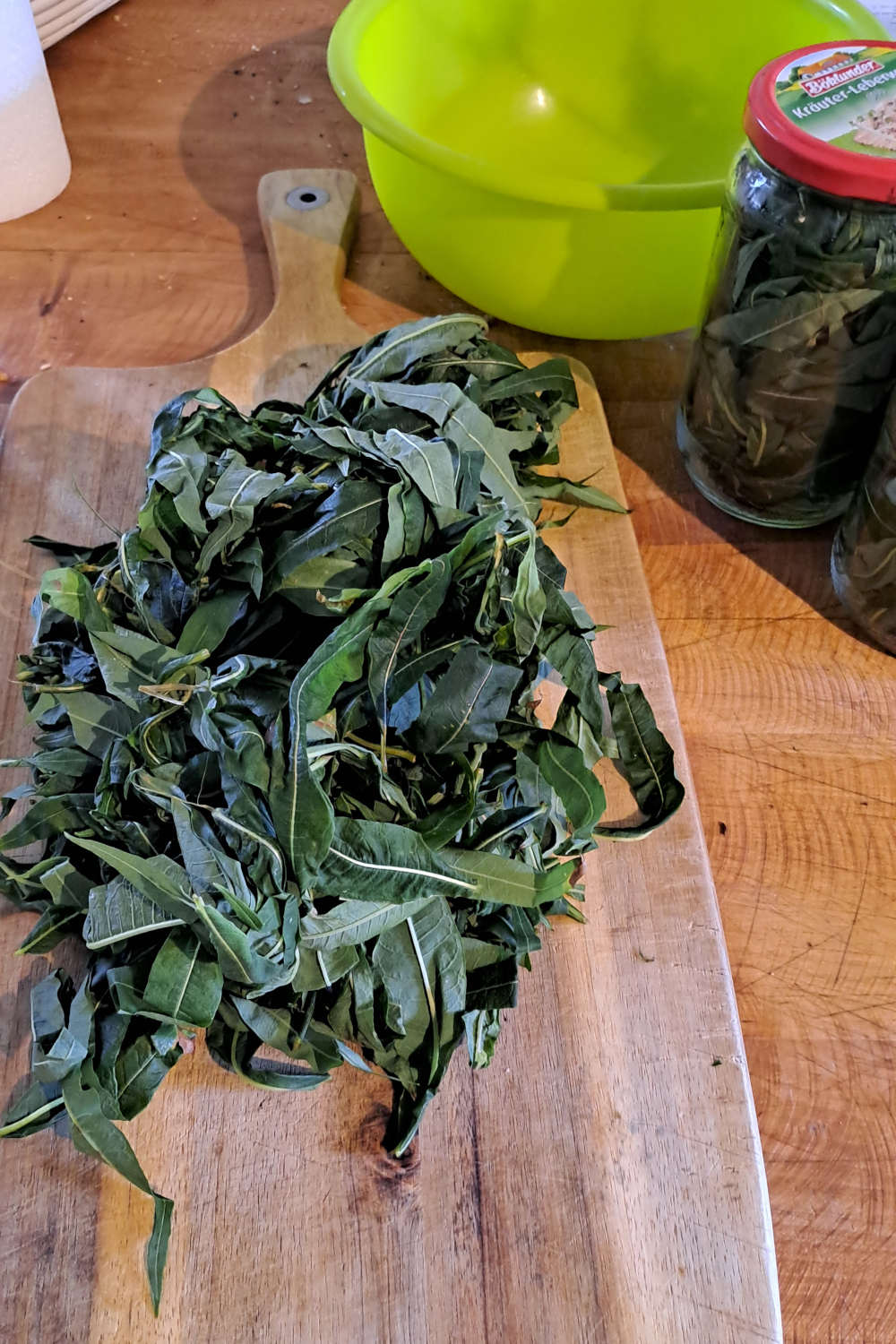
The process begins by carefully harvesting the clean, vibrant green leaves of the fireweed before or during its blooming phase. Once home, I packed the leaves tightly into glass jars and left them to wilt for a full day. This initial step reduces the moisture content, making the cellular structure of the leaves pliable and ready for the next phase.
Step 2: Bruising the Cellular Wall
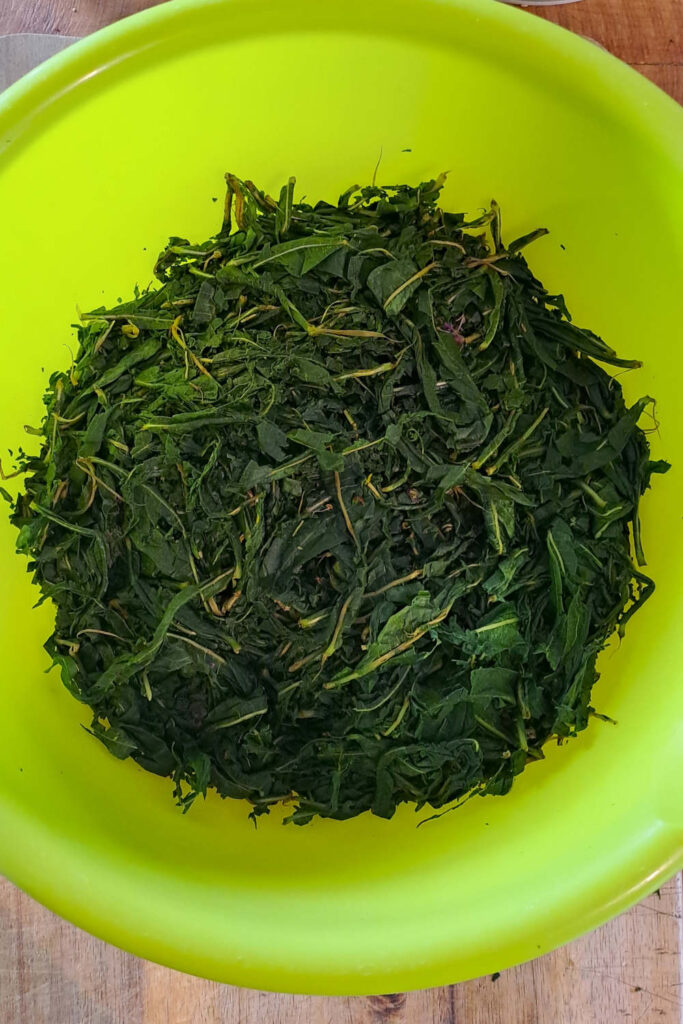
After 24 hours of wilting, the leaves are ready to be worked. I rolled and kneaded the wilted leaves vigorously by hand until the cellular walls broke down and moisture began to express from the plant. This bruising is critical, as it releases the essential oils and enzymes necessary to trigger a proper fermentation.
Step 3: The Two-Day Fermentation
Once the leaves were thoroughly bruised and damp, I wrapped them tightly in a clean, damp cloth. I left them to ferment in a warm place for two days. During this time, the scent completely transforms. The raw, green, grassy smell shifts into a heavy, intoxicating aroma reminiscent of ripe fruit, honey, and old-world orchards.
Step 4: Cutting and Oven-Drying
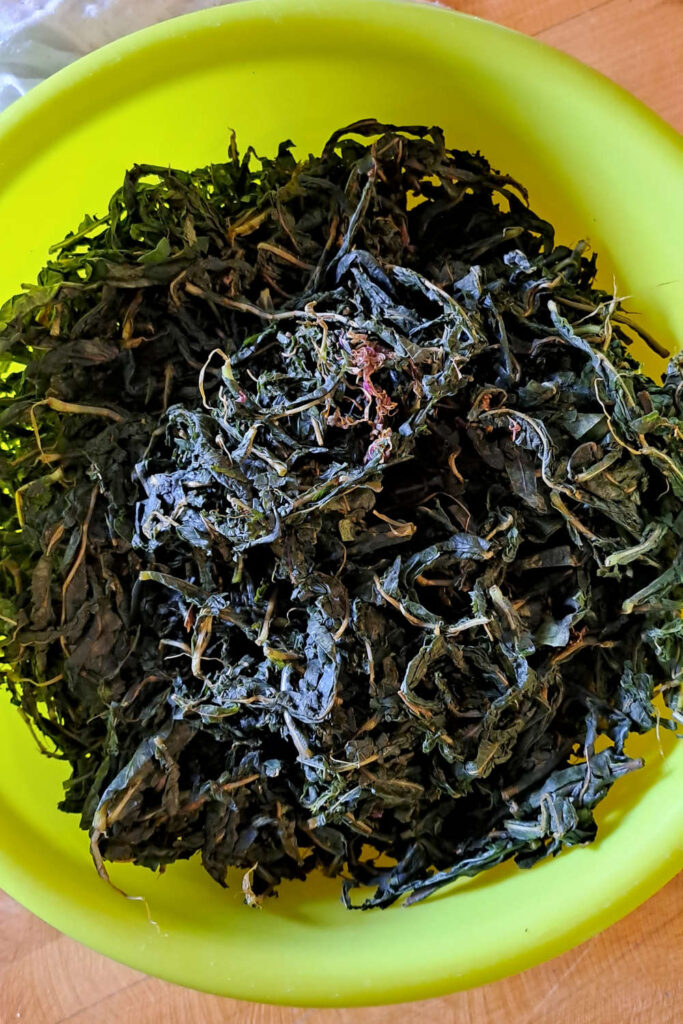
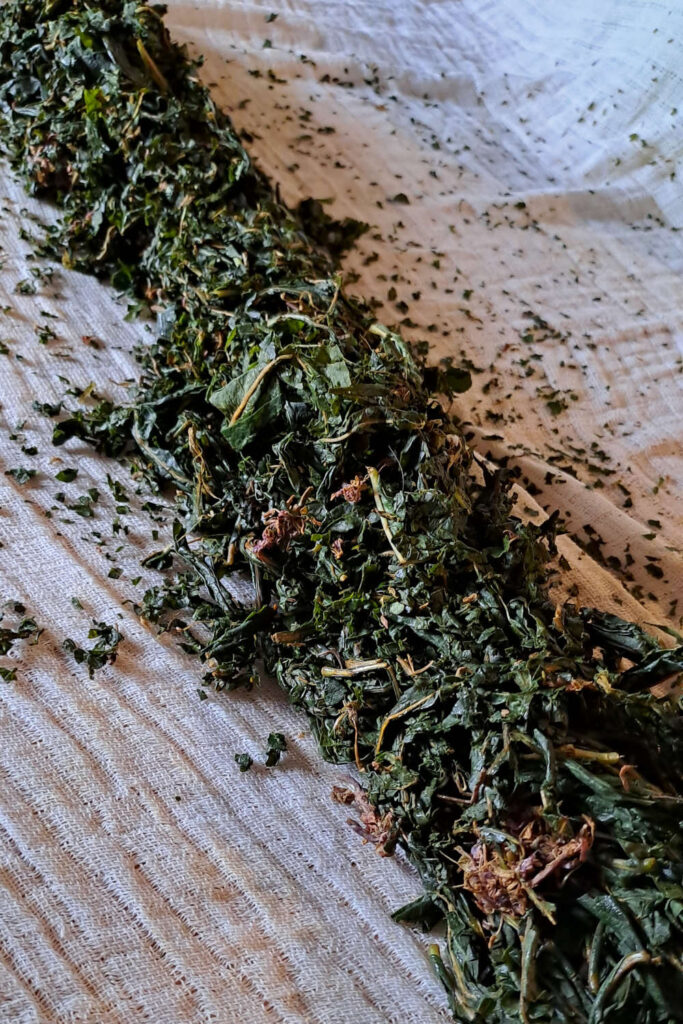
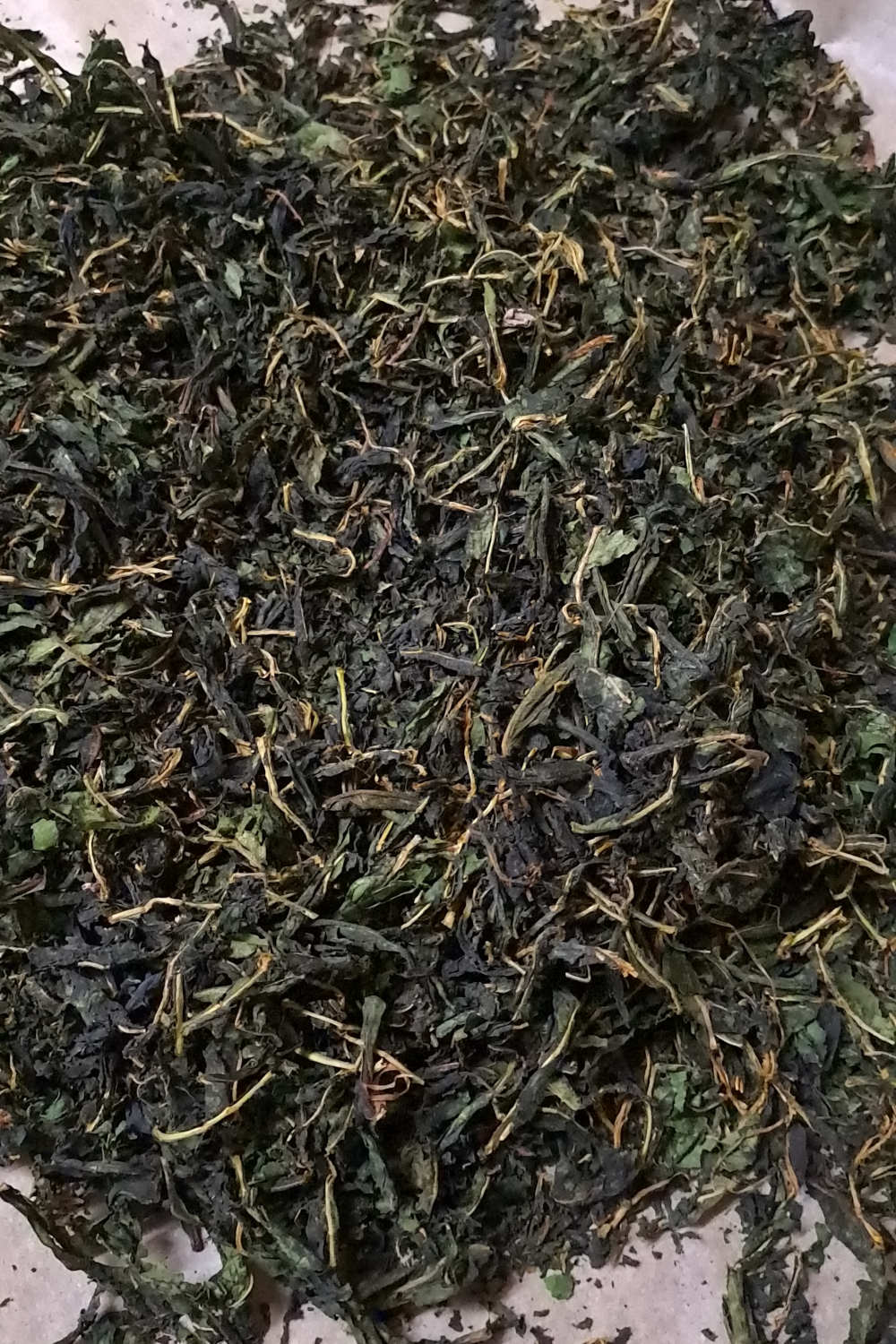
After the two-day fermentation window, the leaves turned a dark, oxidized green. I chopped the mass into fine tea-sized pieces and spread them out evenly. To lock in the flavor and stop the fermentation, I dried them slowly in the oven at a low temperature, keeping a close eye on them until they were completely crisp and black.
Step 5: The Glass Maturation
The final secret to exceptional Ivan Chai is time. Once dried, I transferred the tea into a clean glass jar, sealed it, and let it cure and mature for another two weeks. This dry aging phase rounds out the flavors, smoothing any sharp edges and deepening the rich, black-tea character of the brew.
The Fire in the Cup
Steeping a cup of this home-crafted Ivan Chai brings everything full circle. As the hot water hits the dark, fermented leaves, the steam carries the scent of the northern wilderness, the memories of the Yukon, and the quiet peace of a personal sanctuary. It is a reminder that the best things in life cannot be bought off a supermarket shelf—they are gathered by hand, shaped by labor, and perfected by time.

From the Woods: Have you ever tried fermenting your own wild teas, or do you stick to simple dried herbal infusions? Let me know your thoughts and favorite wild brews in the comments below!
Cheers!